
A quick pivot...
Ultimately, we are the cause. We must also be the cure.


I was so proud of myself this month for setting aside time dedicated to writing. I had a whole speech about marketing and capitalist bullshit, and then yesterday happened, and I’ve never hit the delete button so fast.
I am a 43-year-old woman, and I remember exactly where I was on:
April 20, 1999
April 16, 2007
Dec 5, 2007
November 5, 2009
January 8, 2011
December 14, 2012
May 23, 2014
June 16, 2016
Oct 1, 2017
Feb 18, 2018
May 24, 2022
Those are the dates that stick out in my mind. Those are only a fraction of the mass shootings I have witnessed since I came home from school on April 20, 1999, and experienced my first nonstop replay of children walking out of a school to a field. Of people my age, hugging each other and crying. Of witnessing the unthinkable. Then I’m in an office at the start of Facebook, witnessing VA Tech unfolding in real time, holding space with my coworker whose brother was a student on campus, and he couldn’t reach him.
I remember ending a conference call as the Sandy Hook news broke, and I couldn’t even fathom one more “process improvement” discussion as I watched literal babies on TV.
Then I was carrying a baby. And all I could think of was that I could not raise that child in a world where guns were prevalent.
That was 2013. I got involved in Moms Demand Action. I attended meetings in Virginia and addressed legislative issues. Then, in 2015, after watching a news reporter get shot on live TV, I got involved in Florida, working alongside a family friend of Trayvon Martin. A week before my youngest was born, I witnessed Pulse. I moved to California. I felt safe. We had good, strong gun laws. Then, on February 19, 2018, I became even more involved in Moms Demand Action. I started a local group. It became my single voter issue.
I yelled at people on social media for not doing more, I talked about it all the time, I got paid to research it and make a career out of understanding gun violence prevention. I am not here to control your guns, just as much as I don’t want someone to control my body. What I am here to do is create a world that limits gun violence. I fight for gun violence prevention.
The studies are out there. We know what helps limit gun violence, and yet, we have the smallest portion of our population screaming, “But our guns! We need them to rise against a tyrannical government.” Those are the same people who voted for this tyrannical government, and I don’t see them rising up with their guns.
The point is, I am so well-versed on this topic that it has made me numb to the fact that we are still here. I am numb that the violence still happens when we know exactly what can stop it.
The guns in the Minneapolis shooting were bought legally. The Nashville shooter? Purchased legally. Louisville? Legally. Buffalo supermarket? Legally. Uvalde, legally. For those that aren’t purchased, more than 80% of the assailants responsible for K-12 shootings stole their guns from family members. And those family members legally purchased them, but the kids had access.
As a nation, we are only as strong as our weakest link. California and Massachusetts are considered the safest states in terms of gun laws. Minnesota is 14th in the country for gun law strength. People like to cite Chicago gun violence as a reason gun laws don’t work, but Illinois is the 3rd in the country for gun law strength. However, it’s right next to Indiana, which ranks 27th, and Missouri, which ranks 41st. If you can drive two hours away and get a gun, guess what? You get a gun.
Mental Health? You think America is the only country that has mental health problems? Afraid not. And if that’s the case—why do we keep cutting funding, or not paying mental health care providers enough. Why do we avoid this issue? I’m going to tell you it’s not mental health, it’s the access to guns, because see my point before.
The number one killer of children in America is guns. School shootings/Mass shootings only make up 1% of those deaths. It is the ease and access that people have to guns. I once worked with someone who would purposely leave a gun on his bed to see if his kids would play with it. I know multiple people who have lost loved ones to accidentally loaded guns. It is absolutely the access to guns. I am afraid of mass shootings, but my fear is much different than the family members who are literally afraid to let their kids walk down the street. It’s not just mass shootings. 100 people die per day from gun violence.
We had an assault weapon ban from 1994 to 2004; the number of mass shootings dropped drastically. There is literal, statistically proven evidence that restrictions on access to guns save lives, but then it expired, and the NRA got its way, and mass shootings have increased over 1000% percent.
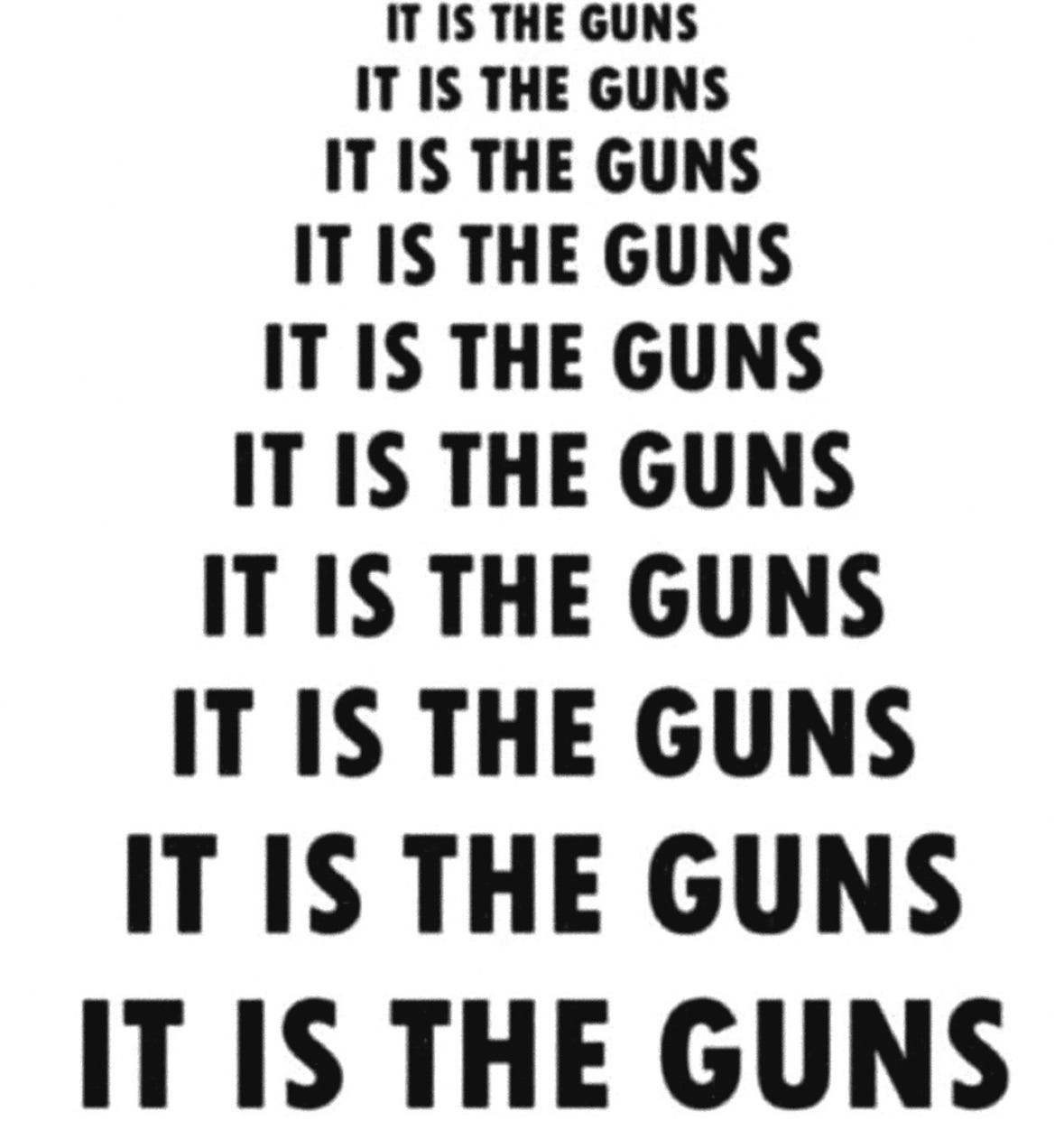
@innergizer on IG
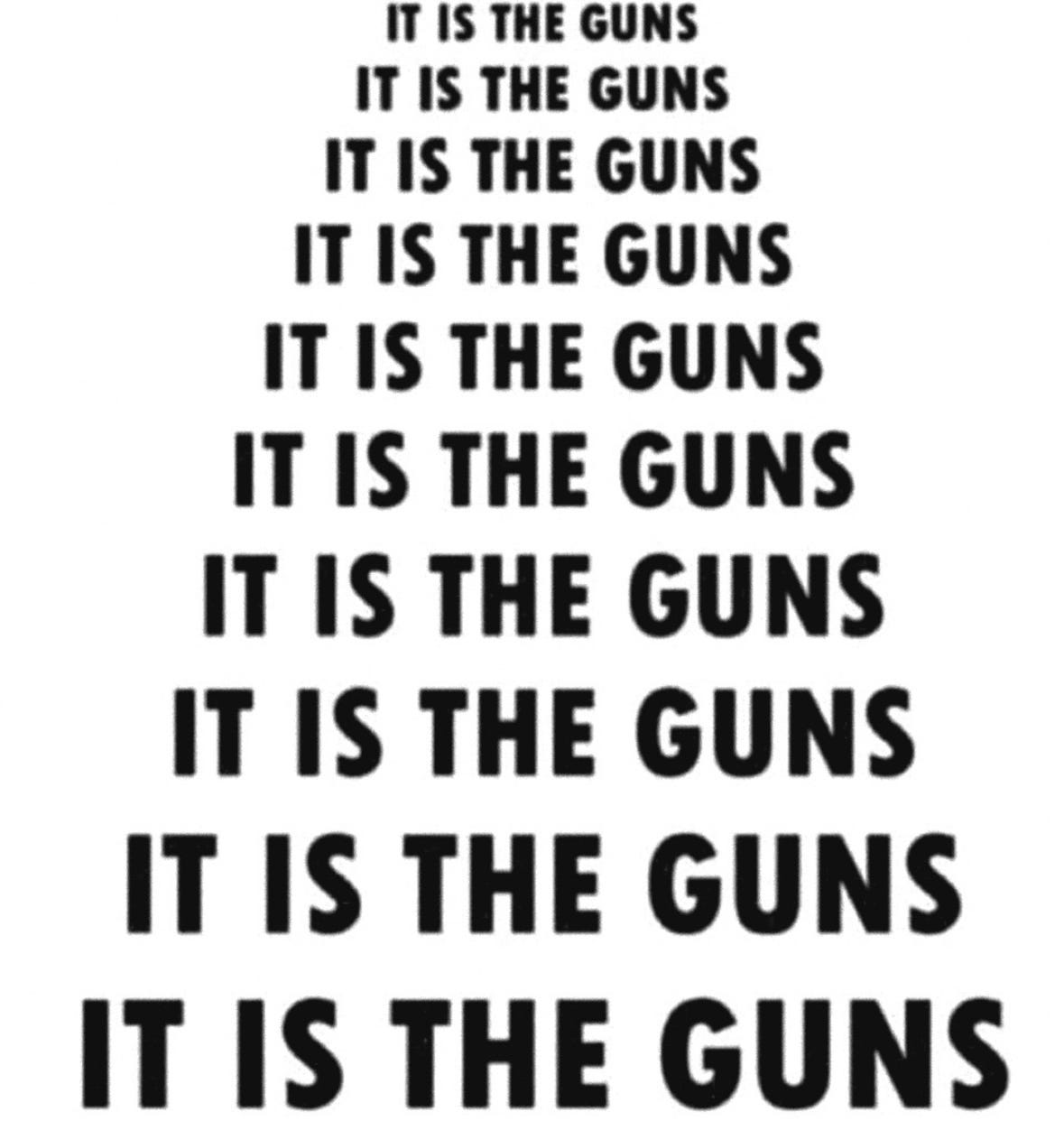
I could go on and on and on about how laws have decreased gun violence, how when we loosen gun laws, violence goes up. How women are statistically more likely to get killed by a lover/husband/ex-boyfriend, how Black women are four times as likely to be killed as white women, I can tell you how Red Flag Laws save lives, how all of it is worth fighting for, and not giving up hope. The point is, as John Green said, “We are the cause, we have to be the cure.” If you are ready to do something text READY to 644-33. Join your local group. Get involved. Write to people. Do not just wring your hands and think there is nothing that can be done.
It can be stopped. It will be stopped. The cause for inaction is action. Your voice is a powerful tool. Use it.
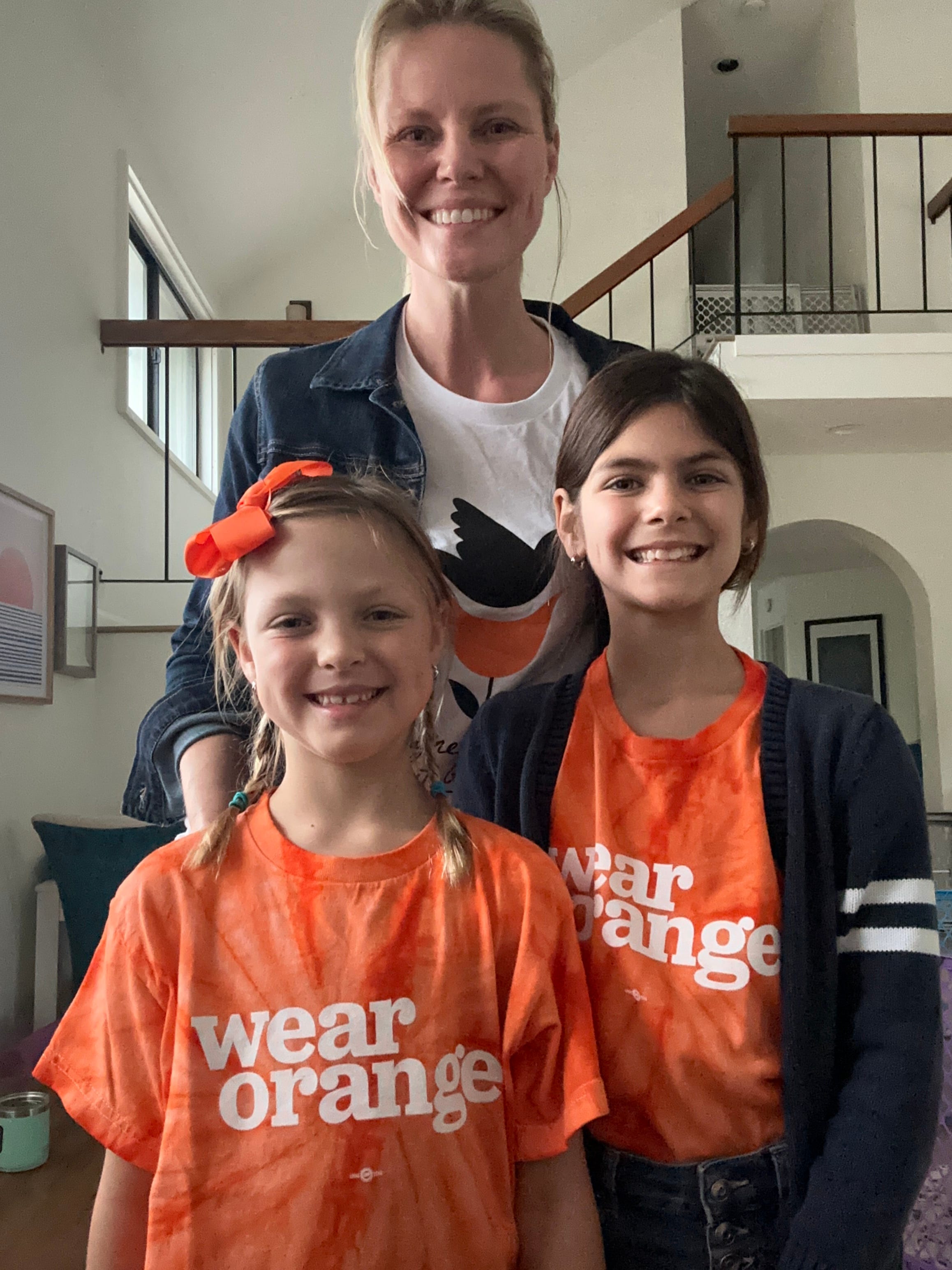
Books I read:
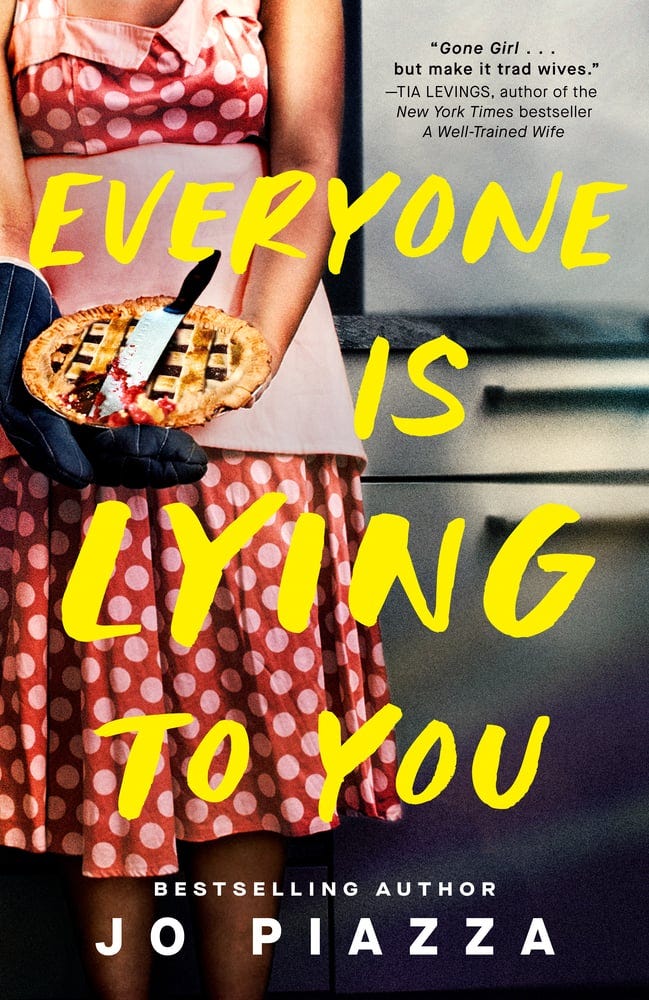
Everyone is Lying to You (4/5), Jo Piazza: After I finished the Challenger book, I needed something easy breezy, and this delivered. Right away, Lizzie felt relatable AF. Whom amongst us hasn’t scrolled, hate followed, or compared ourselves to our lives pre-children, to our friends’ lives with children, to so…this is all there is? The book claims to be a Gone Girl except with influencers and Tradwives, and it does not disappoint. Some reviewers have said, “the influencer narrative of lying has been discussed enough”, but I disagree—I think it’s imperative to continue shining a light on the fact that influencing is a job. As it pertains to tradwives, they aren’t farming, having babies, and having a completely clean house. It’s all for show, so you buy their products, while they sell you a completely unachievable dream. Plus, being petty towards Tradwives is honestly my favorite thing to do. Burn the patriarchal movement down.
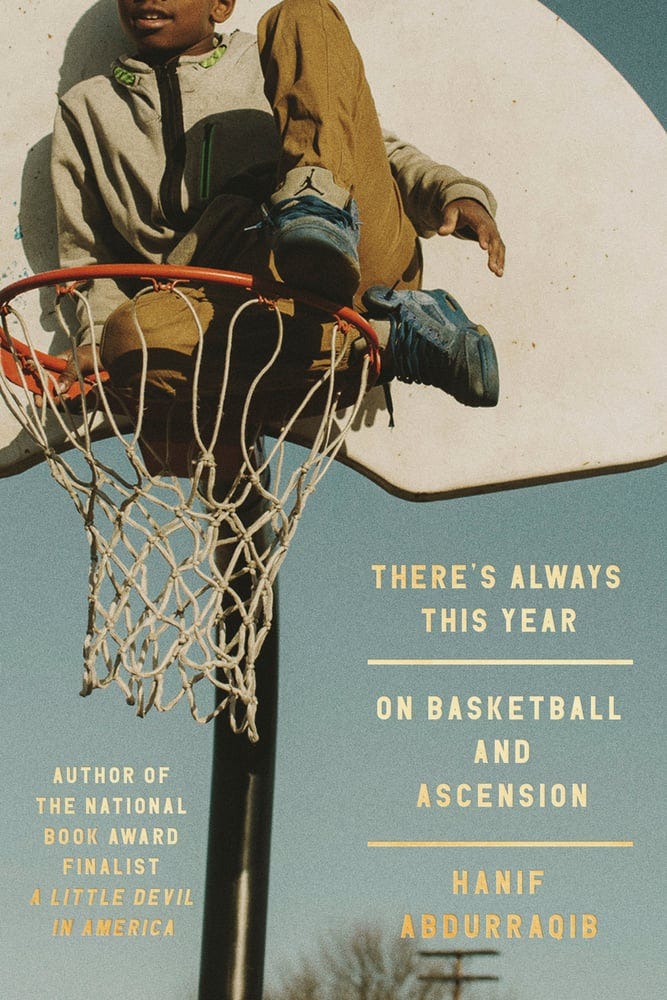
There’s Always This Year, Hanif Abdurraqib (5/5): For anyone who loves basketball, this is a must-read. This book is for people whose favorite sound is the squeak of sneakers on the court, those who can see the ballet in the sport. Hanif weaves his life story against the backdrop of the rise of LeBron James, the love of his city, his state, his people, and his life. I have followed Hanif on IG for a while, well before I knew he had a book. He always has great playlists, motivational quotes, and just like—a fun dude in general, but stumbling upon the book and seeing how his life unfolded was a beautiful discovery.
Quotes:
“The sun is a bareknuckle brawler that can only be held by the clouds for so long.”
(I have never had such a physical reaction to a line in a poem; this line transcended all other allegory references.)
“It is one thing to be haunted by a life gone and another to be haunted by a life that spins on, happily, without you.”
“The reality that sometimes, even when there is no way out, a way can be found.”
“Tell me if you have ever built a heaven out of nothing.”
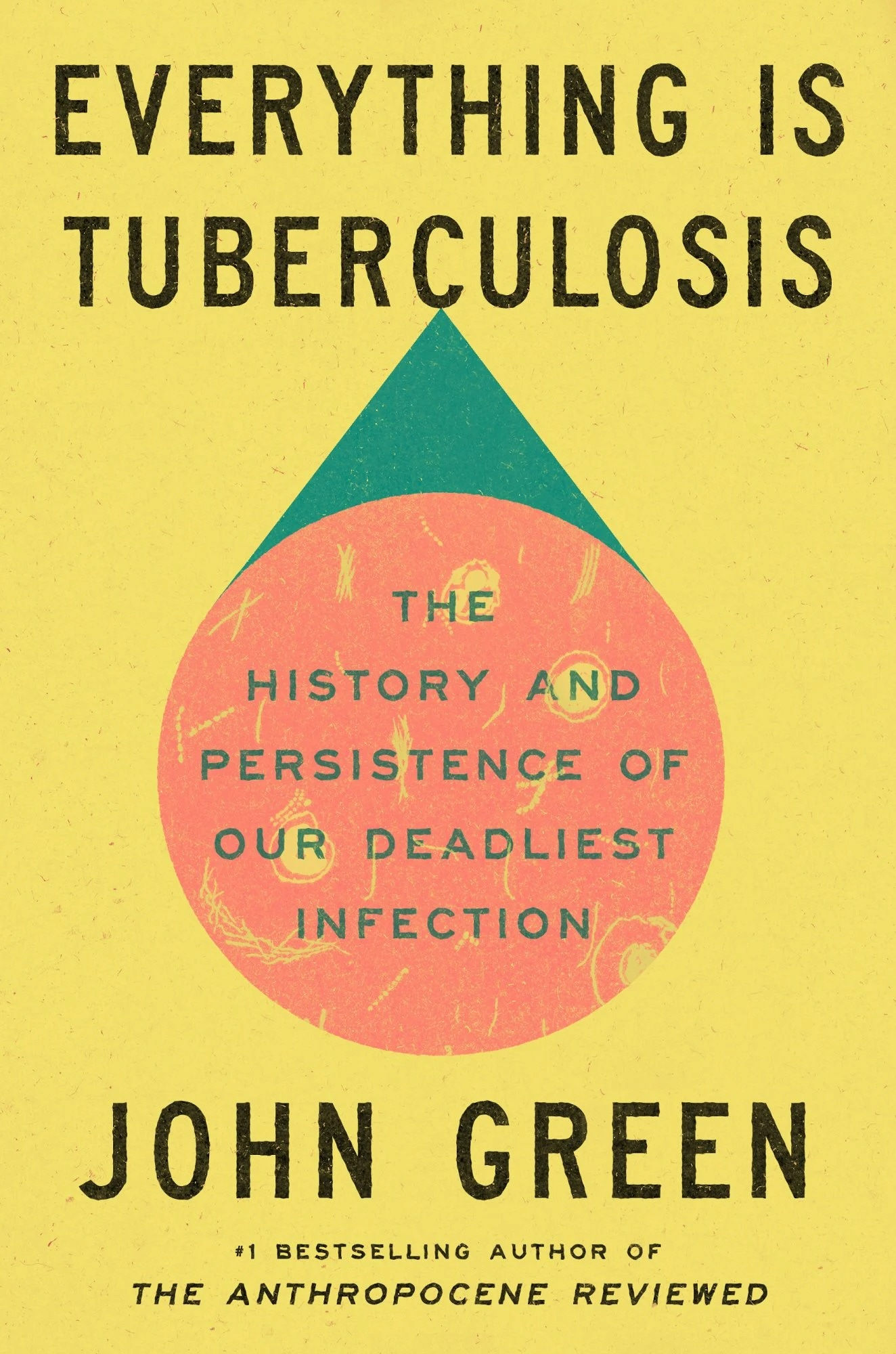
Everything is Tuberculosis, John Green (5/5): I honestly would prefer to use all of my highlighted quotes to tell you why you should read this. But that wouldn’t be fair to you, or to John Green. I put off reading this book for a while because, well, the title didn’t capture my attention (Don’t judge a book by its cover!). It’s John Green—of course it’s going to be well written, and thoughtful, and good, but tuberculosis, is that even something worth talking about?
Until you find out how prevalent it is in society, especially in those countries considered Third World, how we eradicated it in America: the medicines exist, but because of wealth inequality, “oops, it's not so easy. Sorry.”
I grew up in a time when Tuberculosis was not a thing. When my youngest was in kindergarten, I met a woman who couldn’t volunteer because she tested positive for tuberculosis. I remember laughing and asking if she was a Victorian doll (Sorry, Sarah, not my best moment).
What was most profound about this book for me was the exact reason I had to leave research. When we know the cure, and we do nothing about it because our hands are tied by those who make the laws, who, in turn, have their hands tied due to promises made to capitalist bullshit, knowing the answers is helpless when nothing gets done. It has been studied at naseum, “Health inequities are caused by poverty, racism, lack of medical care, and other social forces.” “Why must we treat what are obviously systemic problems as failures of individual morality?” “When markets tell companies it’s more valuable to develop drugs that lengthen eyelashes than to develop drugs that treat malaria or tuberculosis, something is clearly wrong with the incentive structure.”
And finally, John Green quotes a comic that has hit the nail right on the head: “If America were a character in a movie, this would be the part in the movie where America coughs into a rag, and then pulls it away and sees blood.”
Quotes:
“We are powerful enough to light the world at night, to artificially refrigerate food, to leave Earth’s atmosphere and orbit it from outer space. But we cannot save those we love from suffering. This is the story of human history as I understand it.”
“The cure is where the disease is not, and the disease is where the cure is not.”
“Before vaccination, C-Sections, infection control, and antibiotics, the deal of children was routine. About half of all humans ever born died before the age of five.”
“The underinvestment in new classes of drugs to fight bacterial illnesses is the central cause of growing antibiotic resistance.”
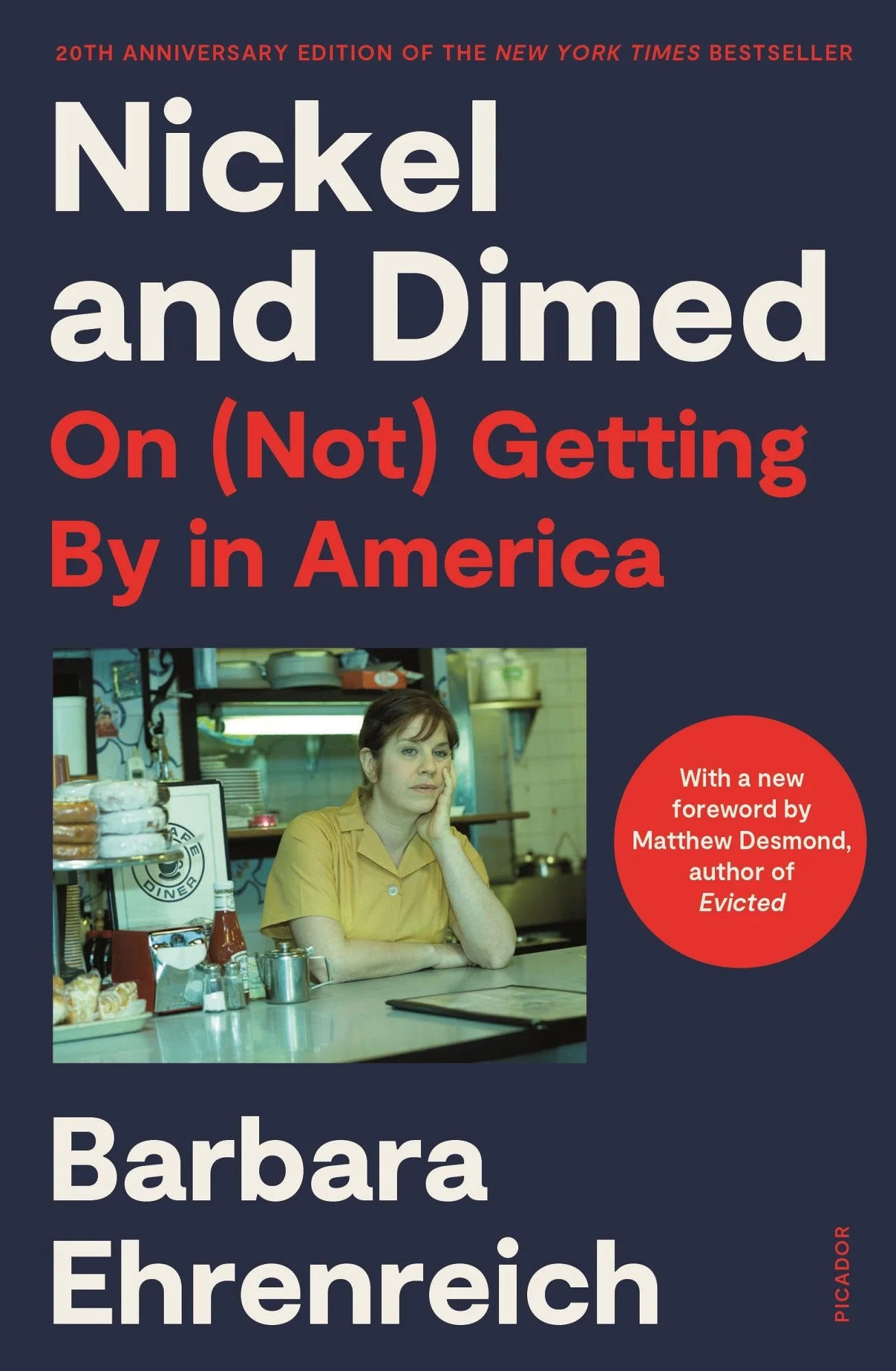
Nickel and Dimed (On Not Getting By In America), Barbara Enrenreich (3/5): The premise of this book is that a journalist goes undercover to see what it’s like to work for a low wage and if it’s manageable. Great in theory, except this book is WILDLY outdated with a shit ton of microaggressions like, “what it felt like to be black”, “wouldn’t look at California where all the Latinos have dominated the low wage market” (even writing that feels like a microaggression). I know a lot of college classes use this book as a teaching tool, but I feel like it’s wildly white privilege. At no point does the author interact with any women of color in her job. She does hang out with one she elevates, but doesn’t expand upon the statistical differences that poor white women and poor black and brown women face.
An interesting point that also remains true to this day, which piggybacks on EIT, is the idea that if you work hard, you will pull yourself up. Sometimes there are barriers in place that make it impossible. Additionally, “The federal hourly minimum wage was $5.15 in 2001. Today it’s $7.25. If we adjust for inflation, since a dollar in 2021 doesn’t have the same purchasing power as it did two decades ago, we realize that the nominal value of the federal minimum wage is lower today than it was when Ehrenreich was in the field. Nearly a third of the American workforce—41.7 million laborers—earn less than $12 an hour, according to a 2016 study.”
It was an informative read as it highlights that we continue to stay in the same cycle: prices rise, wages stay stagnant, CEOs get richer, tax breaks help no one, and here we are spiraling out of control and telling people to work harder, instead, AGAIN, when the research is out there that social services help people pull themselves out of poverty.
Quotes
“Something is wrong, very wrong, when a single person in good health, a person who, in addition, possesses a working car, can barely support herself by the sweat of her brow. You don’t need a degree in economics to see that wages are too low and rents too high.”
“Employers will offer almost anything, free meals, subsidized transportation, store discounts, rather than raise wages.”
“But guilt doesn’t go anywhere near far enough; the appropriate emotion is shame—shame at our own dependency, in this case, on the underpaid labor of others.”
Which brings me to my final book:
The Adventures of Kavalier and Clay (Michael Chabon) 2.5/5: A story about two boys, one a Jewish man who escapes from Prague, and his Brooklyn cousin, who tap into the comic book market early in the height of the WW2 comic book craze. Fighting the bad guys! Being the hero! It weaves art, love stories, sexuality, communication, and finding oneself in the wake of tragedy, and yet…it was incredibly, mind-numbingly boring. So much so that, as mentioned before, I read the plot, knew how it was going to end, and kept reading because surely my friends wouldn’t give it five stars for THIS. And yet—they did. Not sure what I missed here, but the dog dies, and I was unimpressed.
Happy Reading!
Melissa